

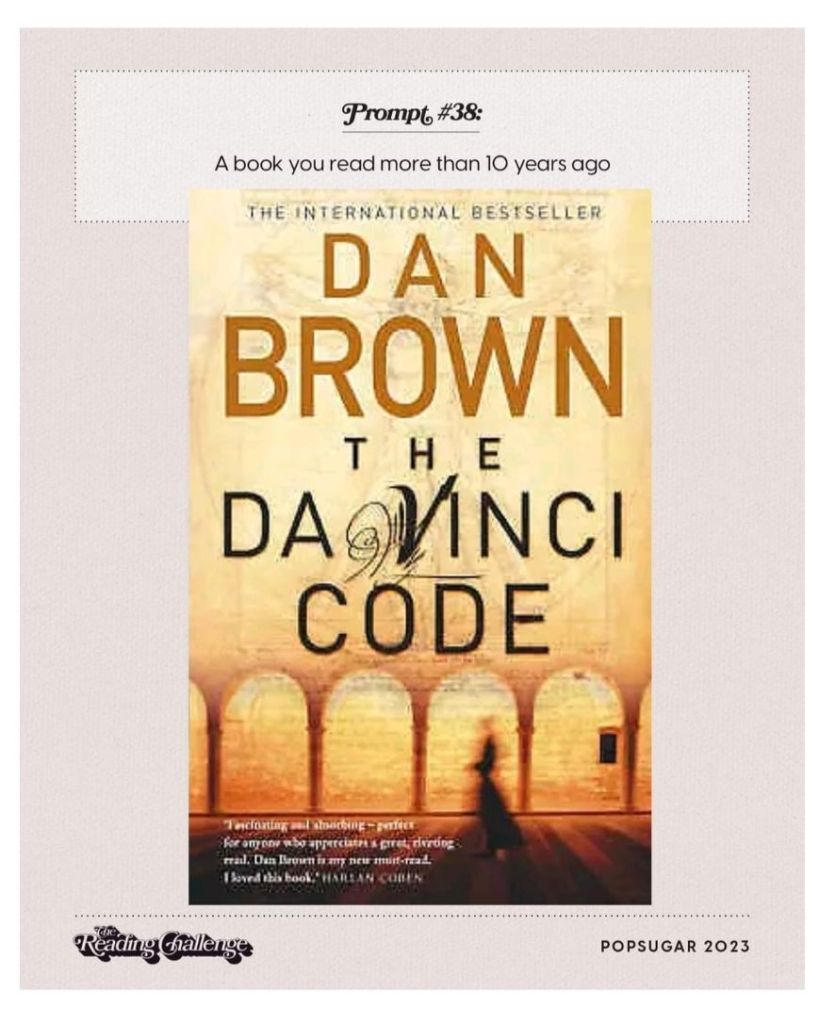
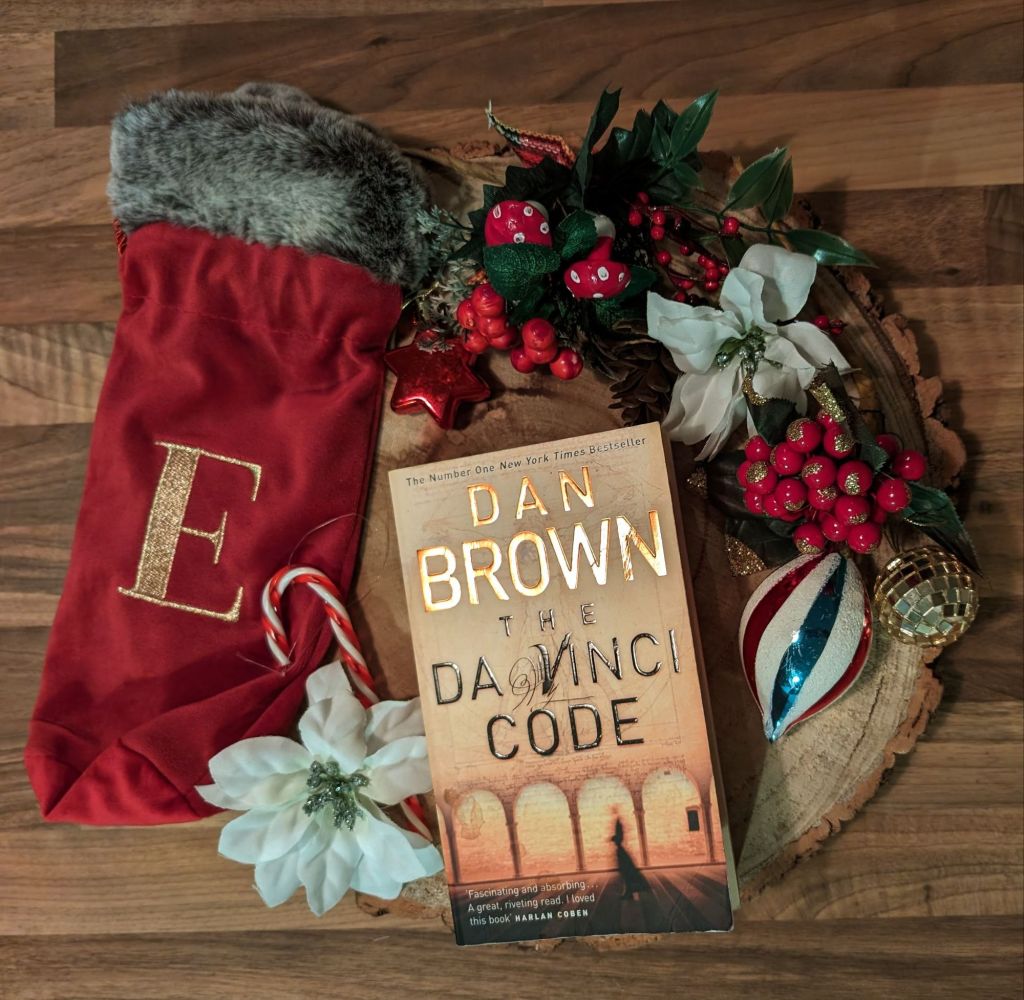
The Da Vinci Code may seem like a strange choice for a re-read, but I read an article about this year and dug it out again. Artist David Shrigley pulped 6000 copies of the book and republished them as George Orwell’s novel 1984. I still had my original copy!
What it’s about?
While in Paris, Harvard symbologist Robert Langdon is awakened by a phone call in the dead of the night. The elderly curator of the Louvre has been murdered inside the museum, his body covered in baffling symbols. As Langdon and gifted French cryptologist Sophie Neveu sort through the bizarre riddles, they are stunned to discover a trail of clues hidden in the works of Leonardo da Vinci—clues visible for all to see and yet ingeniously disguised by the painter.
Even more startling, the late curator was involved in the Priory of Sion—a secret society whose members included Sir Isaac Newton, Victor Hugo, and Da Vinci—and he guarded a breathtaking historical secret. Unless Langdon and Neveu can decipher the labyrinthine puzzle—while avoiding the faceless adversary who shadows their every move—the explosive, ancient truth will be lost forever.
What I think:
Not going to lie, but I really enjoyed this!
I love this style of historical artefact adventure thriller, and I feel like this is the king of the genre.
The blend of historical fact and fiction is seemless. The characters are superficially intelligent and interesting, and there is a genuine sense of purpose to the search and sense of danger. It’s a fun read.
Robert Langdon is a pretty useless action hero. He may know all kinds of random information about ‘symbology’ and is always the smartest person in the room, but he hates lifts and is generally quite clueless. If it wasn’t for Sophie, he would have been killed or imprisonsed many times throughout the course of the book.
There are so many ridiculous coincidences and implausible plot points, but I think if you embrace this for what it is, which is a work of entertainment, then you can enjoy the ride.
Were the Catholic Church ever genuinely worried about this book? I have no idea. But as it was based on research that people other than Dan Brown had already published, I would be surprised. It certainly added to the sales figures as who doesn’t love a good conspiracy.
Since I first read this, I have read the other Robert Langdon books. This is definitely the best. The writing style is very simplistic. Lots of tell, little show. Robert Langdon is weirdly always referred to by his full name in case the reader forgets what it is!
Most historical thriller and mystery writer’s credit the books the read and research they have done. They make it clear where the lines between fact and fiction lie and the gaps and liberties they have exploited for the sake of narrative. Dan Brown does not do this. This feels unfair on reader and has always struck me as dishonest.
This seems to be an absolutely love it best book ever or hate it what a load of nonsense read. Some of the reviews on Goodreads are as entertaining, if not more so, than the actual book.
I’m glad I re-read this. But won’t be reading it again.
 Emma's Things to Read